
15 July 2026
Do you really need a wedding day coordinator?
You've chosen your suppliers and planned every detail. One question remains: who will handle the calls, decisions and unexpected issues while you're getting ready?

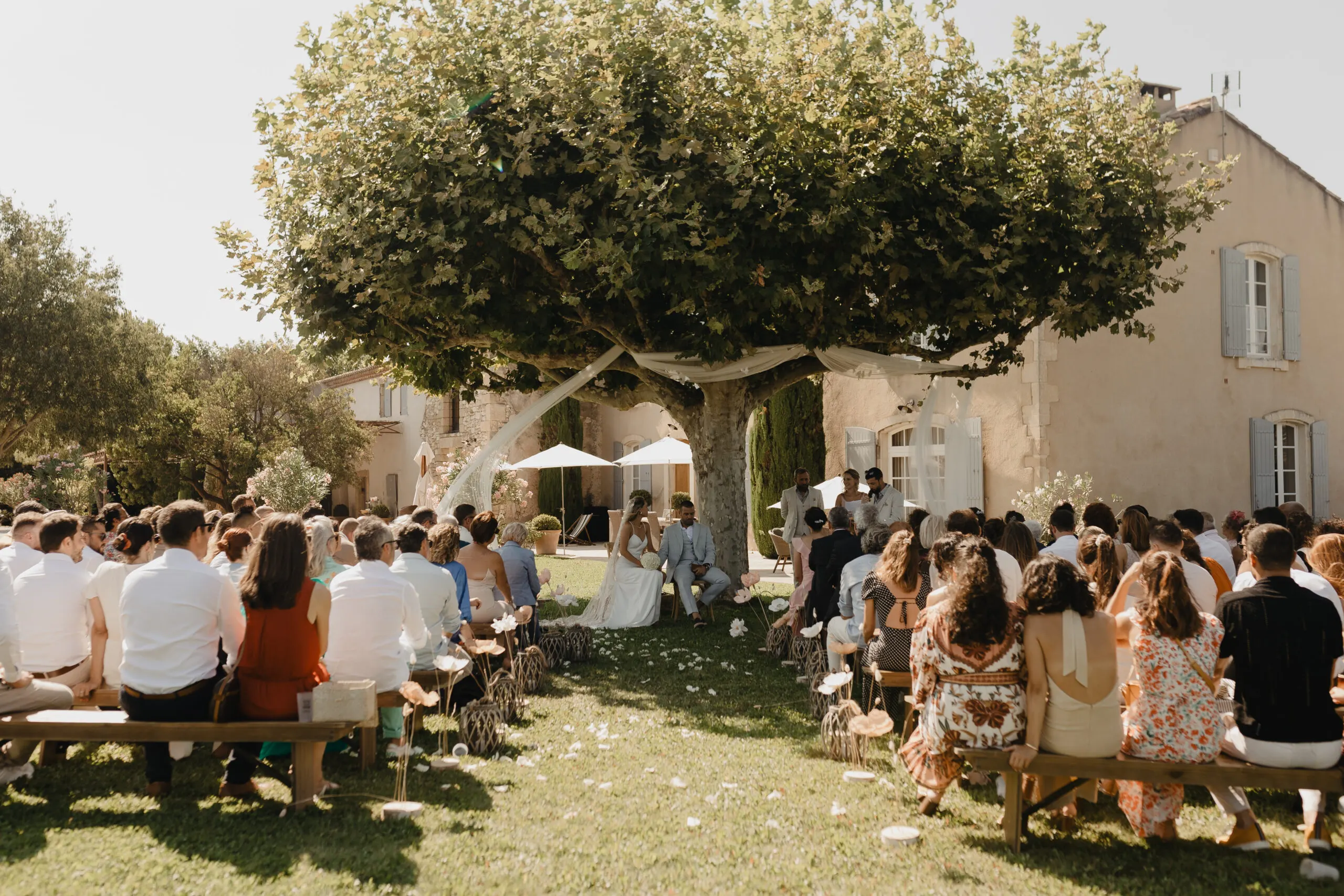
On the morning of your wedding, the florist is looking for the service entrance. The DJ wants to know where to plug in the equipment. A table needs moving, and the outdoor ceremony depends on a changing sky. If everyone calls you, you're still organising your wedding at the very moment you should be living it.
Wedding day coordination is about handing over that responsibility. You've already made the choices. I take over the project as a whole, check that the decisions work together and become the point of contact for your suppliers.
How coordination starts before the wedding
I don't arrive on Saturday morning and discover your plans for the first time. Preparation begins several weeks before the wedding, so you know exactly what I'm taking over and what still needs deciding.
- reviewing quotes and the information that matters;
- gathering each supplier's timings and contact details;
- building or checking the full wedding-day schedule;
- checking access, journey times and any venue details that need attention;
- holding the final briefing with suppliers and everyone taking part;
- preparing weather decisions and backup options.
This work helps spot a mismatch before it becomes a problem. If the ceremony ends at 17:30, group photographs take 30 minutes and the estate is 25 minutes away, the drinks reception can't start at 17:45.
What is actually managed on the day?
Arrivals and setting up
Who opens the venue for the caterer? Where can the photographer park? Who checks that the flowers are in the right place and the seating plan matches the room? These jobs go unnoticed when they've been thought through. They become very noticeable when nobody is responsible for them.
The rhythm of the day
Coordination doesn't mean putting emotions on a stopwatch. It means protecting the important moments and adjusting the rest. If the photographs take fifteen minutes longer, the coordinator lets the caterer know, moves a planned contribution and saves three different people from coming to ask you what to do.
Unexpected issues
A broken chair, a late delivery or a shower of rain doesn't always call for a major decision. What it usually needs is someone who knows the plans, can reach the right people and understands what you've already agreed.
Why your wedding party can't always replace a coordinator
Your wedding party can introduce a surprise or guide a small group. But putting them in charge of the whole wedding means asking them to watch their phones, welcome suppliers they don't know and make decisions without all the information.
They've come to celebrate with you. A specific task may be something they're happy to help with. A whole day of logistics changes their role in the occasion.
When is coordination particularly useful?
- several venues, or journeys between the town hall, ceremony and reception;
- an estate with lots of external suppliers;
- a symbolic ceremony or contributions that need to be timed together;
- an outdoor wedding with a proper backup plan;
- installations to set up in the morning and take down afterwards;
- friends and family travelling a long way, with transport or accommodation to arrange;
- a clear wish for your parents and wedding party to enjoy themselves, too.
When might you not need it?
For a short reception at a venue that already provides full event management, with few suppliers and a clearly designated member of the venue team, the need may be more limited. Even so, ask one simple question: who will respond if two suppliers need a decision at the same time?
If the answer is your name, coordination is worth considering.
The right service depends on what's already done
You don't need to hand over all the planning if you've enjoyed choosing your venue and suppliers. Coordination is designed for couples who have put their wedding together but don't want to run it behind the scenes when the day arrives.
During an initial conversation, I'll go through how far your plans have progressed, the number of venues, the suppliers and the points that need particular care. You'll then know whether coordination is enough or whether support earlier in the process would be useful.
You keep the choices. I’ll handle the rest.
You might need help with all your plans, coordination before the day or simply a professional view on one decision. Let's start with what you've already arranged.
Let’s talk about your wedding